

Pioneer Insights
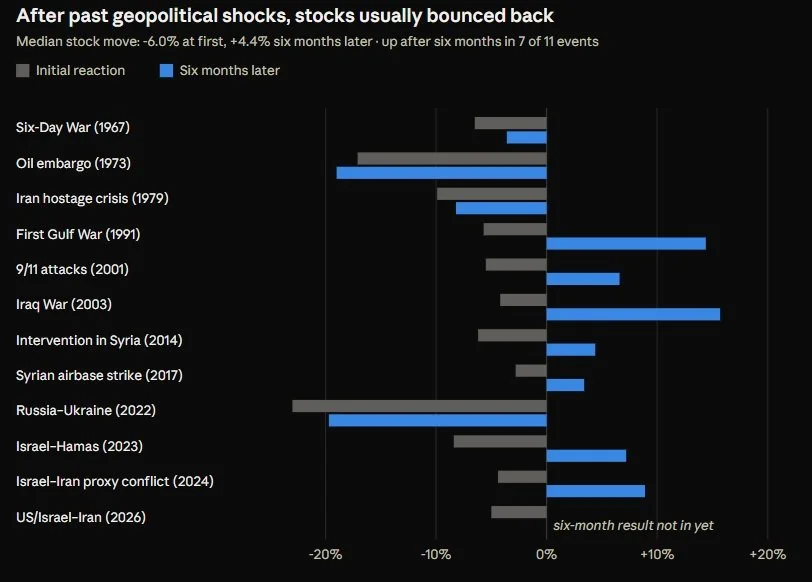
Q3 2026 Market Recap: Stocks Hung In, Bonds Had a Rough Quarter
Stocks squeaked out small gains, bonds had a rough summer, and oil stole the headlines. If your portfolio feels a little flat this quarter, that's normal, and the bigger picture for 2026 still looks pretty good.

A New Way to Cut Your Tax Bill While Helping Kids: The Education Freedom Tax Credit
Education Freedom Tax Credits! Give to education and save taxes.

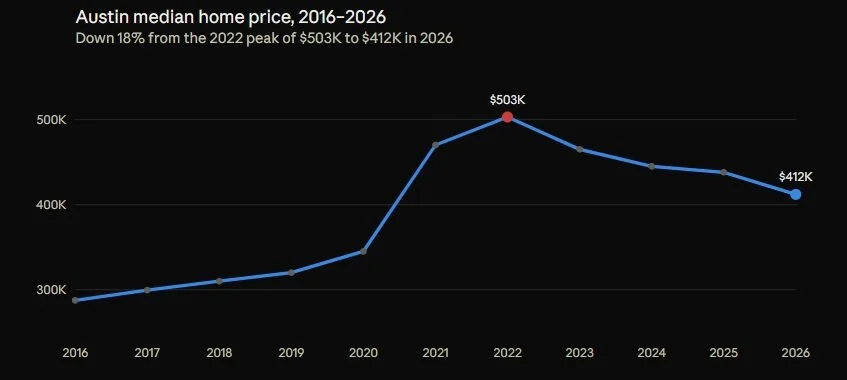
Austin Real Estate in 2026: Where Prices Stand, and What 2027-2028 Could Bring
Austin home prices peaked in April 2022 at roughly $565,000, then gave a lot of that back. Four years later, the market is still working through the hangover: prices are down, inventory is way up, and buyers finally have room to negotiate again. At the same time, Austin keeps adding jobs, residents, and semiconductor investment at a pace few U.S. metros can match.

Buying a Car For Your Business? New Interest Deduction Rules
IRS Finalizes Car Loan Interest Deduction Rules: What Taxpayers Should Know

The Parent’s Guide to Future Savings: 529 Plan vs. Section 530A Account (Trump Account)
As a parent, setting your child up for long-term financial stability is one of the greatest gifts you can offer. For decades, the 529 plan has served as the gold standard for funding higher education. However, with the introduction of Section 530A accounts, parents now have access to a savings vehicle built for early investing and retirement.

October is National Financial Planning Month. Let’s Put Your Plan in Place.
With the decline in pension availability, financial independence is something we are individually responsible for. Furthermore, most of us were not taught about personal finance in the educational system. This creates an ever-widening gap between financial acumen and the need for a long-term financial plan.

FAFSA 2027-28 Opens Early: What Families Need to Know
FAFSA is open early this year! The forms have changed a bit so get in early.
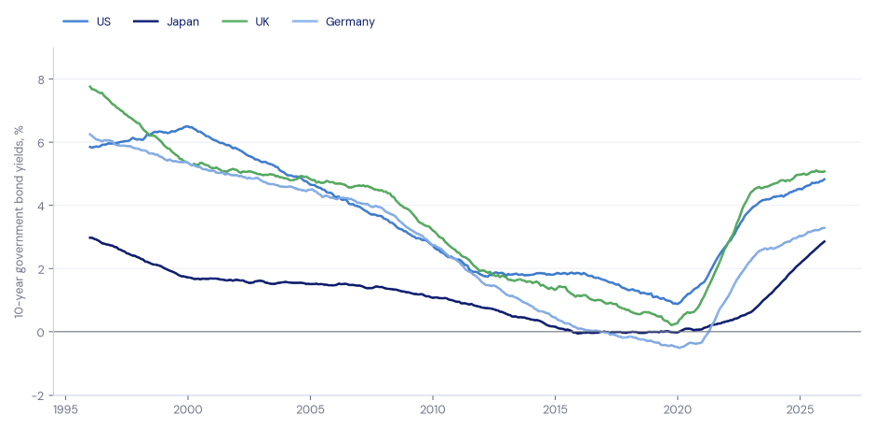
Surging Bond Yields and a Rotation?
What do rising bond yields in the UK, Japan, and the US mean for an investors portfolio. A fee only fiduciary look at the meaning of it all.

Got Stock Options? Maybe 83b It.
Stock options can be very valuable and also very costly from a tax standpoint. There are many strategies that can be used to minimize current or future tax liabilities. 83b elections are one of those.

Business Owners! The Time to Nail Down Your Retirement Plan For This Year and Next is Now.
October of each year presents some very important deadlines related to retirement plans for small businesses. This article describes some of the problems.

How Real Estate Taxes Can (And Will) Shape A City: Pt. 1 (From “The Live Musical Capital” Lens 🎸🦇)
Guess what time it is?? It’s your favorite time of the year again, TAX TIME!
“Wait, what? I already filed my tax return, and they’re already asking for more?! Can I live?! 😭”
Well, there’s a different type of tax being decided in the background, and it’s somewhat of a quiet, immovable force that can have a major impact on how a city looks, feels, and sounds, and can be sourced right to your front door.

How to Diversify a Large Position in Your Company’s Stock
If you have spent several years at a fast-growing company, there is a good chance a large share of your net worth now sits in a single stock. Restricted stock units (RSUs) accumulated while the stock price increased. Now the stock makes up a large slice of your net worth. What should you do now?

Is Pet Insurance Worth It?
Is pet insurance worth it? Read on to learn when it makes sense to self-fund or buy a policy to protect your furry friends.

Recordkeeping and Deductible Expenses for Small Businesses
If you run a sole proprietorship, Schedule C is where you report your business income and most business expenses on your personal return. Good recordkeeping and correct categorization of deductions not only make tax filing easier, they are also the foundation for surviving an IRS audit and keeping more of what you earn.

Financial Planning for Google Employees: Five Questions to Revisit as Your Career Grows
A career at Google can create meaningful financial opportunities. As compensation grows and new milestones come into view, so do the number of decisions competing for your attention.

Lessons from the Trail: Preventing Financial Burnout
As the one-year anniversary of my epic 2,200‑mile Appalachian Trail thru‑hike draws near, I’m sharing my sixth and final lesson from the trail: Preventing Financial Burnout. This isn’t just about saving money — it’s about building resilience, protecting your peace of mind, and ensuring you can keep hiking, dreaming, and living your best life without being weighed down. The trail taught me that sustainability isn’t just for the landscape— it’s for your finances too. Enjoy!

Credit Markets Show Resilience and Challenges in 2026
Bonds and Credit investments have had a rocky few years. As interest rates rose in 2022 bonds lost value but also become more attractive as yields rose to levels not seen in many years. 2026 has been more stable but inflation worries with conflicts in the middle east are making yields a bit more sticky than some expected.

Q2 2026 Markets in Review: Breadth Returns, Semiconductors Drive Emerging Markets, and the Fed's Hawkish Pivot
One of the more notable developments this year has been a rotation out of the Magnificent Seven and into small caps and emerging markets. It's a reversal from 2025, when emerging markets led the way, largely on the back of the semiconductor rally.

SEP IRA vs. Solo 401(k) vs. Traditional 401(k) vs. SIMPLE IRA vs. Cash Balance Plan: Which Retirement Plan Works Best for an S Corp Owner?
As a high-earning business owner, you've invested a lot to build a successful business. For many, the profits and earnings of the business become concentrated in the business. And often, the success of the business is directly tied to the owner's work. If the business isn’t worth much without the owner, it’s crucial to diversify your investments.