

A System Under Pressure
Globally, insurance losses from natural disasters have been rising steadily, growing at roughly 5–7% annually in real terms. In the U.S., the impact is especially visible in regions prone to wildfires, hurricanes, drought, and flooding.
As risks increase, insurers are responding in predictable ways: raising premiums, tightening underwriting standards, or exiting markets altogether. This has pushed more homeowners toward state-backed “insurers of last resort,” originally designed decades ago to ensure access to coverage. However, these systems were not built for today’s scale of climate exposure.
Texas: Hurricane Risk Meets Rapid Growth
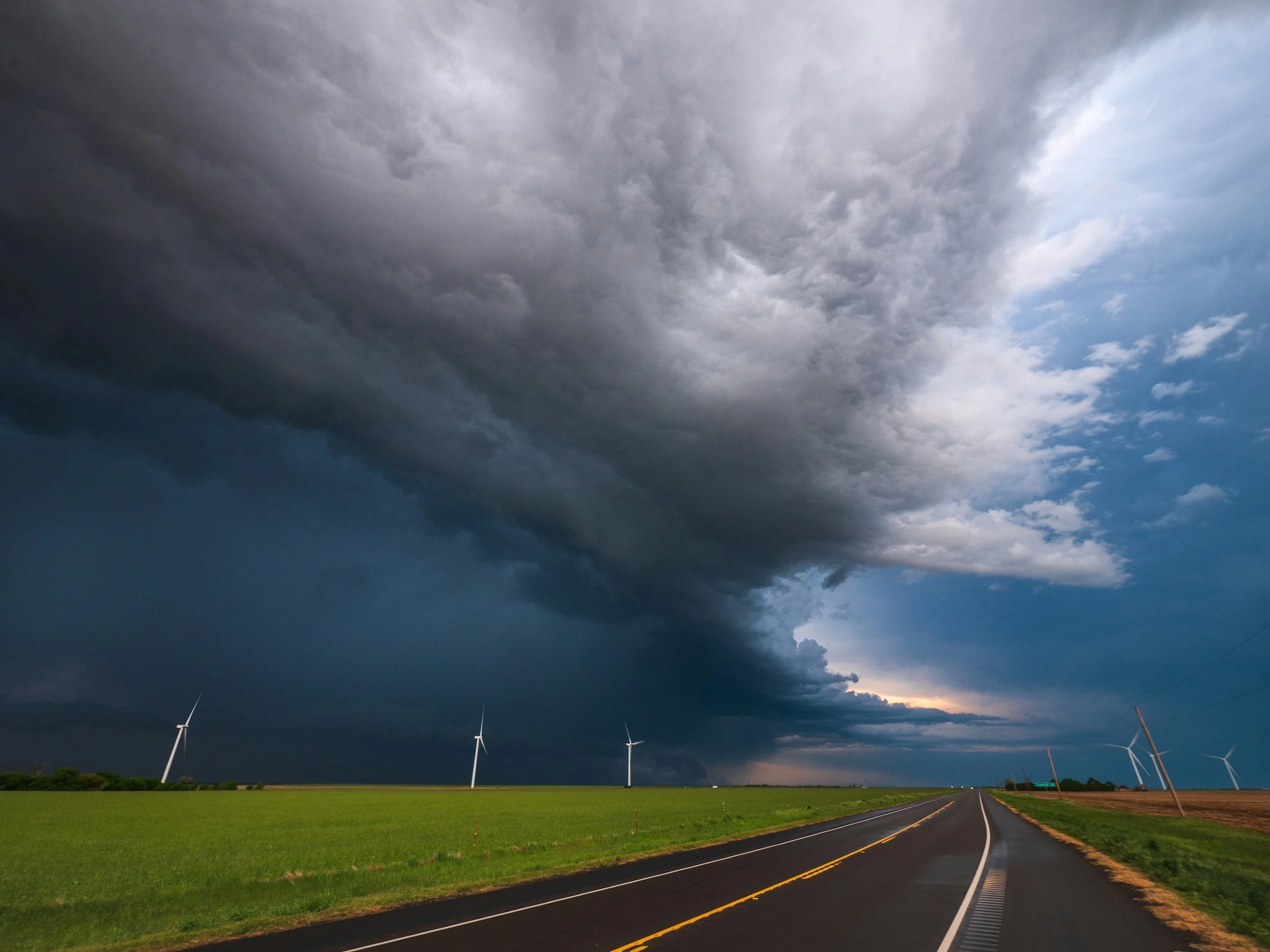
Texas presents a uniquely complex case. Coastal regions, especially around Houston and the Gulf Coast, face escalating hurricane and flood risks. At the same time, the state’s rapid population growth has led to massive residential development in vulnerable areas.
The Texas Windstorm Insurance Association (TWIA), the state’s insurer of last resort for coastal properties, has seen growing exposure as private insurers limit their participation. When major storms hit, losses can ripple through the system, potentially leading to assessments on insurers and, indirectly, higher premiums statewide.
Compounding the issue is Texas’s fragmented approach to flood insurance. Much of the risk remains concentrated in the federal National Flood Insurance Program (NFIP), which itself is under financial strain. The result is a layered system where taxpayers, insurers, and homeowners all share increasing risk, but without a clear long-term solution.
Colorado: Wildfire Risk in the Wildland-Urban Interface
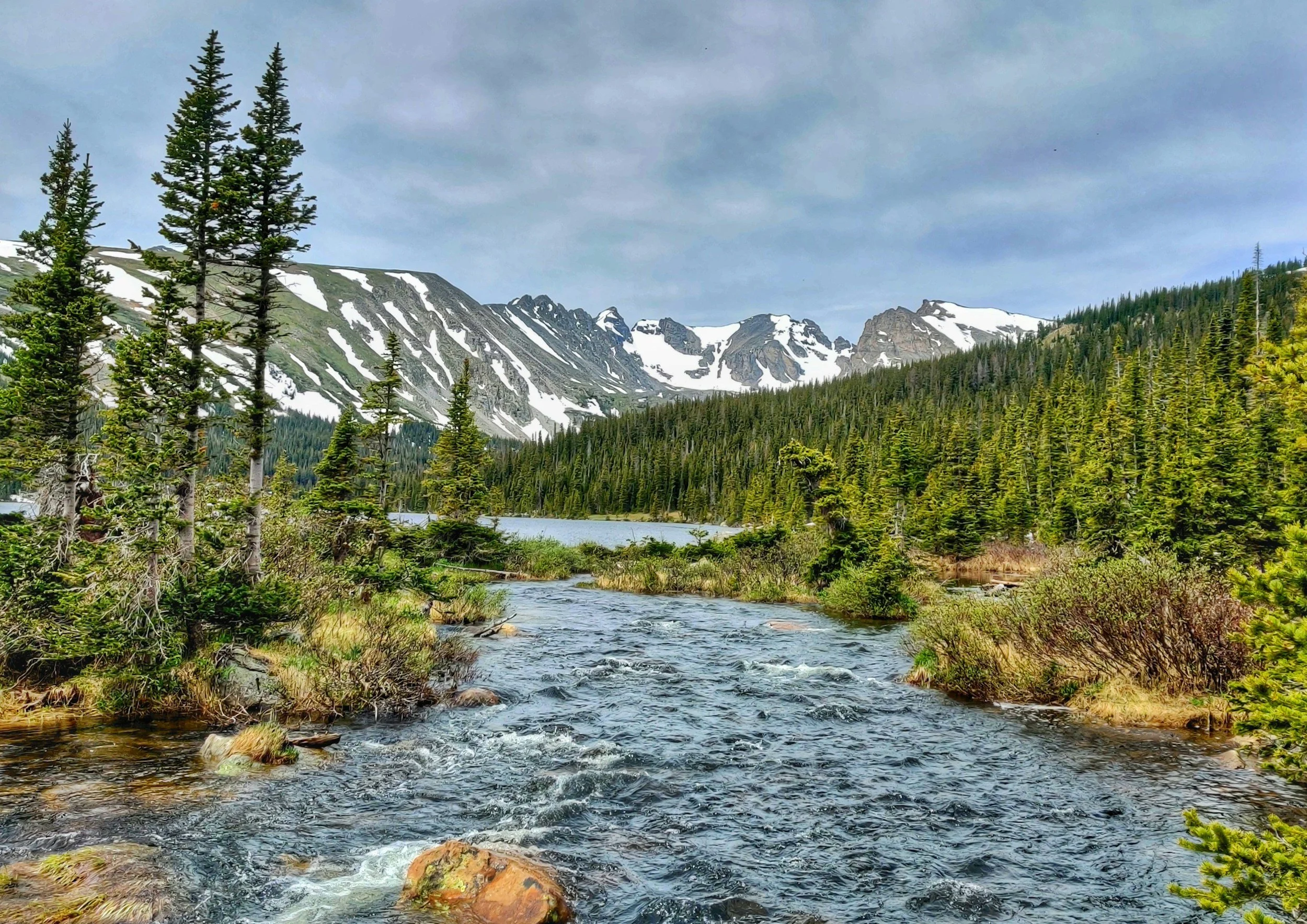
Colorado’s insurance challenges are driven less by hurricanes and more by wildfires, particularly in the “wildland-urban interface,” where suburban development meets fire-prone forests.
In recent years, insurers have significantly raised premiums or withdrawn coverage in high-risk mountain and foothill communities.
Homeowners in places like Boulder County and Colorado Springs are increasingly facing non-renewals or being forced into surplus lines markets with higher costs and less protection.
Unlike California, Colorado does not yet have a large-scale FAIR Plan equivalent, though policymakers have begun exploring options. The state is also grappling with how to incentivize wildfire mitigation such as defensible space and fire-resistant building materialswithout making insurance unaffordable.
New Mexico: A Smaller Market, Similar Vulnerabilities
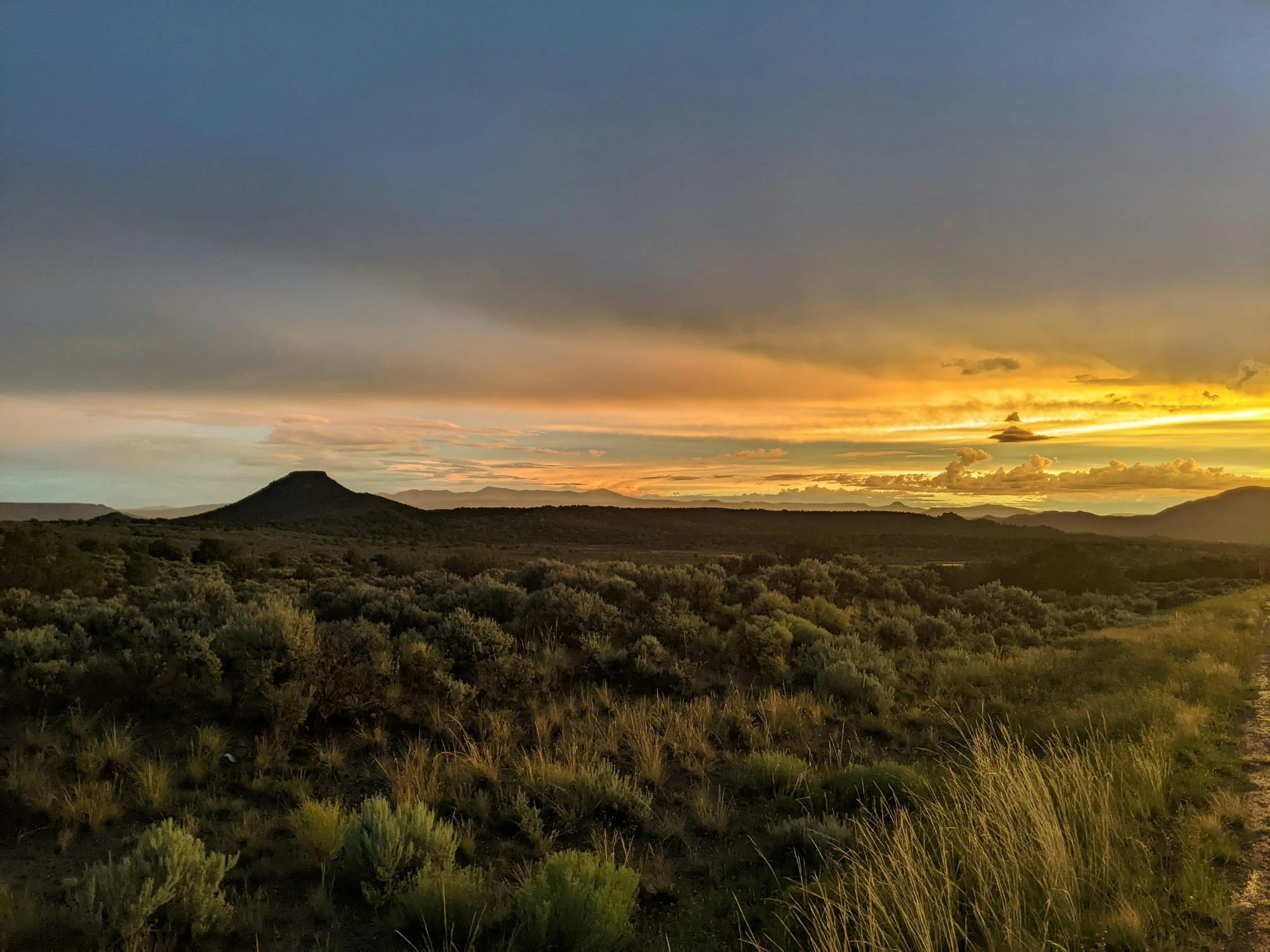
New Mexico’s insurance market is smaller but no less vulnerable. The state faces a combination of wildfire risk, prolonged drought, and occasional severe flooding.
In rural and forested areas, insurers have begun pulling back coverage following major fire events, such as the Hermits Peak/Calf Canyon Fire. For many homeowners, especially in lower-income or remote communities, alternatives are limited.
Unlike larger states, New Mexico lacks the scale to easily absorb losses through broad risk pooling. This raises concerns about whether federal backstops or regional insurance solutions may become necessary.
The Role of State-Backed Insurance
Across the U.S., “insurers of last resort” are becoming a growing part of the market. These programs were designed in the 1960s to ensure access to insurance when private markets failed.
Today, they are increasingly acting as shock absorbers for climate risk.
But that role comes with serious challenges:
Rising exposure and financial strain
Increased systemic risk after major disasters
Potential distortion of pricing signals that reflect real risk
Who Pays?
At the heart of the issue is a fundamental question: who ultimately bears the cost?
Homeowners face rising premiums and reduced availability
Insurers manage growing losses and capital pressures
Taxpayers backstop the system in extreme scenarios
Policymakers debate shifting costs to other stakeholders
There is no easy answer and no scenario where risk simply disappears.
What Homeowners Need to Do Now
For homeowners in Texas, Colorado, and New Mexico, this isn’t just a policy debate—it’s a personal financial risk that needs to be actively managed. Waiting for markets or governments to stabilize the system is not a strategy.
1. Understand Your True Risk (Not Just Your Premium)
Insurance pricing is increasingly volatile and sometimes lagging reality. Homeowners should go beyond premiums and evaluate:
FEMA flood maps (especially in Texas, where flood risk extends beyond designated zones)
Wildfire risk scores (critical in Colorado and New Mexico foothills)
Historical loss data in your specific county or ZIP code
Many homeowners are underestimating risk simply because they’ve never experienced a loss.
2. Don’t Assume You’re Fully Covered
A common and costly mistake:
Flood damage is not covered by standard homeowners insurance (major issue in Texas)
Wildfire coverage may have exclusions or caps (increasingly relevant in Colorado/New Mexico)
Replacement cost estimates may lag current construction costs
Homeowners should review:
Replacement cost vs. market value
Deductibles (especially percentage-based wind/hail deductibles in Texas)
Policy exclusions and sublimits
3. Consider Supplemental or Alternative Coverage
Depending on location:
Flood insurance (NFIP or private) in Texas even outside high-risk zones
Excess or surplus lines coverage if standard insurers pull out
Parametric insurance products (emerging, especially for weather-related risks)
This is becoming less optional and more essential in high-risk areas.
4. Invest in Physical Risk Mitigation
This is one of the few levers homeowners control and it’s increasingly tied to insurability.
Texas (wind/flood):
Impact-resistant roofing
Elevation or flood-proofing in vulnerable areas
Storm shutters
Colorado/New Mexico (wildfire):
Defensible space (clearing vegetation within 30–100 feet)
Fire-resistant roofing and siding
Ember-resistant vents and sealed eaves
In some cases, these upgrades can mean the difference between getting insured or not.
5. Plan for Insurance Instability
Homeowners should assume:
Premiums will continue rising
Coverage options may shrink
Insurers may exit their area
Practical steps:
Build higher emergency reserves
Factor insurance volatility into long-term housing decisions
Stress-test affordability assuming premiums double or coverage becomes limited
6. Factor Insurance Into Real Estate Decisions
This is the most overlooked and most important shift.
In high-risk states:
Insurance availability is becoming a constraint on property values
Mortgage lenders may tighten requirements
Some properties may become effectively “uninsurable” at reasonable cost
Before buying, homeowners should evaluate insurability with the same rigor as they evaluate price or location.
The Risk of Getting It Wrong
One of the biggest dangers is “moral hazard.” If insurance systems shield property owners from the true cost of risk, development may continue in vulnerable areas, increasing long-term exposure.
For individual homeowners, the equivalent mistake is assuming the system will protect them indefinitely.
A System at a Crossroads
Property insurance has long been a cornerstone of the American housing market. But as climate risks accelerate, that foundation is being tested especially in fast-growing, high-exposure states like Texas, Colorado, and New Mexico.
The system will evolve. Premiums will adjust. Coverage will tighten.
The homeowners who navigate this successfully won’t be the ones who react after the fact, they’ll be the ones who treat climate risk as a core part of their financial planning today. Speak with your wealth advisors and insurance professionals to see how best to plan for these issues for your particular situation.