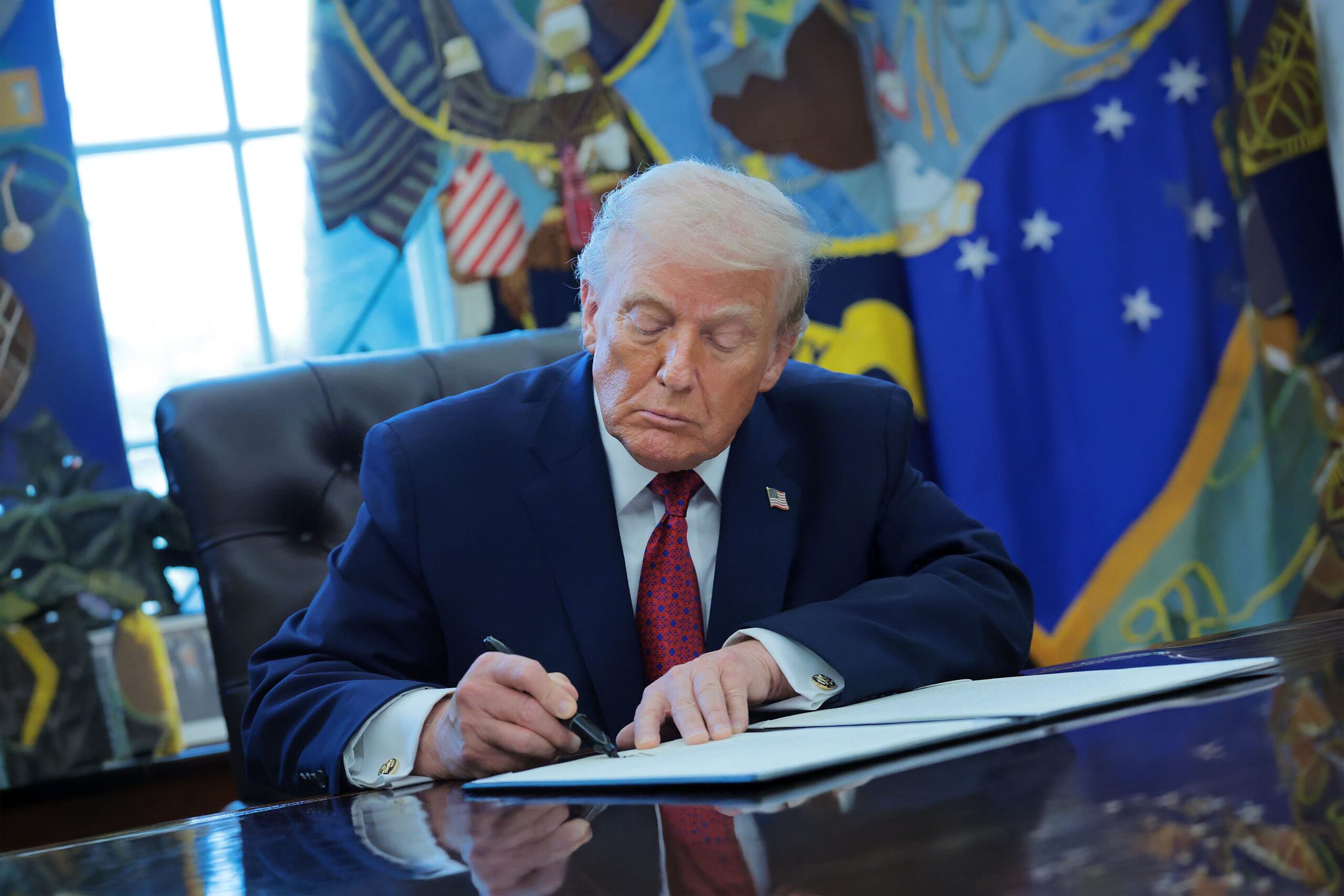
For many families, taxes are something that get attention once a year in March or April. However, the next few years are shaping up to be different. The period spanning 2025 and 2026 represented a meaningful planning crossroads, particularly for high-income households, business owners, and retirees. The OBBA made some important tax laws permanent (as permanent as a tax law can be).
Changes in tax law don’t mean tax panic is warranted. It does mean that thoughtful, forward-looking conversations are increasingly valuable.

Why the Next Few Years Matter More Than Most
Several tax provisions that have been in place for years can always be changed with changing polities. While the specifics of future legislation are unknowable, history suggests that once changes occur, the opportunity to plan around them narrows significantly. Families who wait until new rules are finalized often find themselves reacting rather than choosing.
Planning ahead creates flexibility. Flexibility creates control.
Planning Is About Options, Not Predictions
Effective tax planning isn’t about guessing what lawmakers will do. It’s about answering questions like:
- If tax rates rise, what decisions would we wish we’d made earlier?
- If they don’t, do those decisions still make sense?
- Which strategies benefit from time rather than urgency?
When planning is done early, families can choose from multiple paths instead of being forced down one.
Areas Families Are Reviewing Now
Rather than focusing on any single tactic, many families are stepping back and reviewing their situation holistically:
Income Timing
The timing of income—bonuses, business distributions, retirement withdrawals—can materially affect lifetime tax outcomes. Coordinating when income is recognized can often matter more than how much is earned in any single year.
Investment Structure
How investments are held can influence:
- Capital gains exposure
- Ongoing tax drag
- Flexibility in volatile markets
This includes reviewing account types, asset placement, and rebalancing strategies through a tax-aware lens.
Estate and Legacy Planning
Estate planning works best when it’s proactive, not rushed. Many strategies become less effective—or unavailable—once rules change. Reviewing plans early allows families to act deliberately rather than under pressure.
Charitable Planning
For families who give, strategic charitable planning can align long-term values with meaningful tax efficiency, often across multiple years.
Why “Wait and See” Can Be Costly
Waiting may feel safe, but it often reduces:
- The number of available strategies
- The amount of time strategies have to work
- The ability to coordinate decisions thoughtfully
Early planning doesn’t require immediate action. It simply ensures that action remains an option.
A Calm, Strategic Approach
The most successful families aren’t trying to “outsmart” tax law. They’re making informed decisions, early enough that they still have choices. That’s the real advantage of planning ahead.
As always, check with your wealth and tax advisors for details about your current strategies.